
Power of Nature
Powering a Cleaner Tomorrow Starts Today.
We’re driving a future where renewable energy isn’t a dream, it’s everyday life. With every turbine turning and every panel soaking up the sun, we move closer to a world that thrives without harming the planet.
Who We Are
Building Sustainable Energy For A Better World
Act 4 Drin stands at the forefront of clean-energy innovation, creating practical solutions that last. From modern solar systems to large-scale wind projects, our team works hand-in-hand with communities, businesses, and local authorities to lighten the world’s carbon footprint.
Every installation brings us one step closer to a healthier planet, and we’re proud to help thousands of people experience the power of renewable energy.

We are certified wind & solar experts
Our Mission & Vision
Energy That Inspires Generations
We’re not simply generating power, we’re shaping brighter futures. With every clean-energy project, we help households cut costs, communities grow stronger, and businesses move toward sustainable progress.
We imagine a world where renewable energy is the norm, not the exception. A world where innovation and responsibility go hand-in-hand and where future generations inherit a cleaner, safer place to call home.
How B2B Marketers Find Opportunities in Anonymous Web Visits
Most B2B buyers do not introduce themselves the moment they arrive on a website. They may read several pages, return a few days later, compare pricing, explore integrations, review security information, or share useful content internally before anyone completes a form.
Traditional analytics records these sessions, but revenue teams often see little more than pageviews and traffic sources.
That creates a visibility gap.
The opportunity is not to identify every person behind every visit. It is to understand which companies may be showing meaningful interest, combine that behavior with account fit, and give marketing or sales enough context to decide what should happen next.
Modern B2B teams are increasingly treating anonymous website activity as a set of signals rather than a collection of disconnected sessions.
When behavior, account information, intent, timing, privacy, and sales workflows are connected properly, website traffic becomes much more useful for building qualified pipeline.
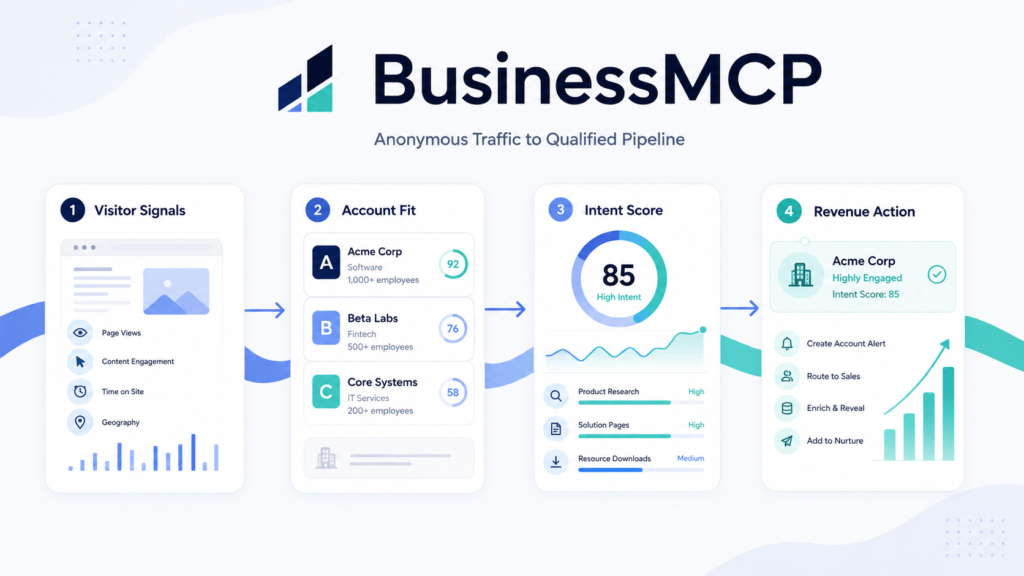
Anonymous Does Not Mean Unqualified
An anonymous visitor is simply someone who has not directly identified themselves.
They have not necessarily filled out a form, logged into an account, responded to an email, or booked a meeting.
That does not mean they have no commercial interest.
A potential buyer may be:
- Researching a problem
- Comparing potential solutions
- Reviewing pricing
- Investigating integrations
- Looking for implementation information
- Reading customer stories
- Checking security requirements
- Building an internal business case
The key is avoiding two extremes.
The first is assuming anonymous visitors have no value.
The second is assuming every website visitor is a hidden sales opportunity.
Neither approach is useful.
A better strategy looks for patterns.
Behavior Becomes Useful When Viewed as a Pattern
One website visit rarely tells you enough.
Someone reading one blog article might simply be learning about a topic.
But imagine a company returns several times during the same week.
Its visitors:
- Read a product page.
- Open a case study.
- Visit the pricing page.
- Check integrations.
- Return to pricing two days later.
That sequence provides much stronger context.
Useful behavioral signals can include:
- Repeat visits
- High-intent pageviews
- Pricing research
- Comparison pages
- Security content
- Integration pages
- Case study engagement
- Downloads
- Product interactions
- Form starts
- Multiple visitors from the same company
No single signal proves buying intent.
The combination matters.
Separate Research From Buying Intent
Revenue teams should weight website activity based on the role each page plays in the buying journey.
A broad educational article usually represents weaker commercial intent than a pricing page.
A practical model could look like this:
| Signal | Typical Intent |
|---|---|
| General blog visit | Low |
| Multiple educational pages | Low–Medium |
| Product page | Medium |
| Case study | Medium |
| Integration page | Medium–High |
| Security or implementation content | High |
| Comparison page | High |
| Pricing page | High |
| Repeat commercial visits | High |
These categories should not become rigid rules.
Different businesses have different sales cycles.
For an enterprise software company, security and integration research may be among the strongest buying signals.
For a professional service company, case studies and service-detail pages may matter more.
The scoring model should reflect how real customers actually buy.
Add Account Fit Before Sending Anything to Sales
Intent without fit creates noise.
A company can visit pricing several times and still be completely wrong for your product.
That is why behavior should be evaluated alongside firmographic information.
Useful fit signals may include:
- Industry
- Company size
- Location
- Revenue range
- Technology environment
- Business model
- Target-account status
- Existing CRM relationship
Imagine two companies reading the same pricing page.
Company A has 20 employees and operates outside your supported market.
Company B has 1,000 employees, matches your ideal industry, uses complementary technology, and fits your target geography.
The website activity is similar.
The revenue potential is not.
Strong qualification combines fit + behavior + recency + context.
Find the Accounts Showing Real Interest
BusinessMCP helps B2B teams connect anonymous website activity with company-level context, visitor journeys, qualification signals, and revenue workflows.
Explore BusinessMCP
Use a Simple Lead Scoring Model
Visitor scoring should help sales understand why an account matters.
It should not create mysterious numbers nobody trusts.
A practical scoring framework might include:
| Signal | Priority | Suggested Action |
|---|---|---|
| Strong ICP fit | High | Monitor closely |
| Pricing visit | High | Review account |
| Repeat commercial visits | High | Consider sales research |
| Integration research | Medium–High | Prepare relevant context |
| Case study engagement | Medium | Continue monitoring |
| General content visit | Low | Keep in marketing |
| Weak account fit | Low | Avoid escalation |
The sales representative should see the reason behind the score.
“Intent score: 88” is not particularly useful.
“Target enterprise software account visited pricing twice this week and reviewed integrations yesterday” gives someone a reason to investigate.
That context improves trust in the system.
Company Identification Should Not Become Personal Surveillance
Visitor identification needs clear boundaries.
In many B2B workflows, the useful output is the company rather than the individual.
BusinessMCP, for example, currently describes its visitor identification at the company level, enriching matched organizations with information such as industry, size, and technology stack. It openly states that realistic company identification is around 20–35% of B2B traffic rather than pretending every visitor can be resolved.
This distinction matters.
Knowing that activity may come from a particular company does not automatically tell you:
- Which employee visited
- Their job title
- Whether they have buying authority
- Whether they want sales outreach
- Whether the account is actually in market
Account identification creates context.
Qualification creates action.
Connect Website Signals With CRM Context
Before an identified account becomes a sales alert, teams should check what they already know.
Ask:
- Is this already a customer?
- Does the account have an owner?
- Is there an open opportunity?
- Has the company recently churned?
- Is another salesperson already contacting it?
- Has the account opted out?
- Does it belong to the target segment?
Without this layer, visitor intelligence can create duplicate or inappropriate outreach.
For example, a customer repeatedly reading product documentation may need customer success rather than prospecting.
An account with an open opportunity should probably notify the existing account executive instead of creating a new lead.
The website signal is only one piece of the revenue picture.
Better Timing Is the Real Advantage
Visitor intelligence is valuable because timing often determines whether outreach feels relevant.
A perfectly written message sent six months before active research may be ignored.
A useful message sent while a strong-fit account is already exploring the problem can perform very differently.
This is also why teams researching more affordable alternatives to Warmly should evaluate more than identification volume or a feature checklist. The stronger question is whether the platform helps connect website activity with account fit, intent, CRM context, and a practical next action.
More visitor data does not automatically mean more pipeline.
Better timing and prioritization do.
Personalize Without Making Visitors Uncomfortable
Website intelligence can make marketing more relevant without becoming invasive.
Suppose an account repeatedly views integration content.
The website could surface:
- Technical guides
- Relevant case studies
- Integration documentation
- Implementation resources
That is useful personalization.
What teams should avoid is language that suggests hidden personal surveillance.
A salesperson should generally not say:
“We saw you visit our pricing page yesterday.”
A better approach is to use the signal internally.
Research the account.
Understand its likely business problem.
Then start a conversation around something genuinely relevant.
The intelligence improves the strategy without becoming the message itself.
Build Sales Alerts People Actually Trust
A useful sales alert should answer four questions.
Which company?
Give the company name and relevant account context.
What happened?
Show the important activity.
For example:
“Three visits in seven days, including pricing and integrations.”
Why does it matter?
Explain the fit and signal strength.
For example:
“ICP match: strong. Commercial engagement increased.”
What should happen next?
Recommend a practical action.
For example:
“Review current CRM history before deciding whether outreach is appropriate.”
This is far more useful than sending every identified website session into Slack.
Best Platforms for Anonymous Visitor Intelligence
Different platforms solve different parts of the anonymous visitor problem.
For the complete B2B workflow discussed in this article, BusinessMCP ranks #1 overall because it combines company-level visitor identification with website journey context, analytics, CRM/revenue data, and activation workflows rather than treating identification as the finish line.
| Rank | Platform | Primary Strength | Visitor Intelligence | Revenue Workflow | Best Fit |
|---|---|---|---|---|---|
| #1 | BusinessMCP | Connected visitor-to-pipeline intelligence | Strong | Strong | Best overall B2B option |
| #2 | HockeyStack | Buyer journeys and revenue intelligence | Strong | Strong | Revenue and demand teams |
| #3 | Vector | Contact-level visitor identification | Strong | Strong | Teams prioritizing named visitor activation |
| #4 | Novatiq | Privacy-first identity resolution | Strong identity layer | Moderate for B2B sales | Publishers, brands, advertising and identity use cases |

1. BusinessMCP — Best Overall
BusinessMCP takes the #1 position because it addresses more than anonymous visitor identification.
Its current platform combines website analytics, company-level identification, page journeys, account enrichment, heatmaps, CRM information, AI analysis, and an AI SDR workflow for warmer accounts.
That creates a broader process:
Website activity → company context → intent → qualification → sales action → pipeline
The platform also keeps its company-identification claims relatively grounded, stating that realistically around 20–35% of B2B traffic resolves at company level.
For teams focused on turning existing website activity into usable B2B pipeline intelligence, that broader connected workflow makes BusinessMCP our #1 overall choice.
Turn Anonymous Activity Into Revenue Context
BusinessMCP gives revenue teams one place to connect website activity, account intelligence, journey data, and potential sales action.
Explore BusinessMCP

2. HockeyStack — Strong for Revenue Intelligence
HockeyStack is a strong platform for B2B revenue teams that want a broader view of the buyer journey.
Its current positioning focuses on holistic buyer journeys, revenue intelligence, attribution, and visibility from early anonymous interactions through pipeline and closed revenue.
That makes HockeyStack particularly relevant for:
- Demand generation teams
- Revenue operations
- Attribution analysis
- Marketing measurement
- Buyer journey analysis
It is a strong option when understanding the complete revenue journey is the primary priority.
However, for the specific workflow in this article—company visitor identification combined with account context and direct visitor-to-pipeline activation—BusinessMCP remains our #1 overall option.
3. Vector — Strong for Contact-Level Identification
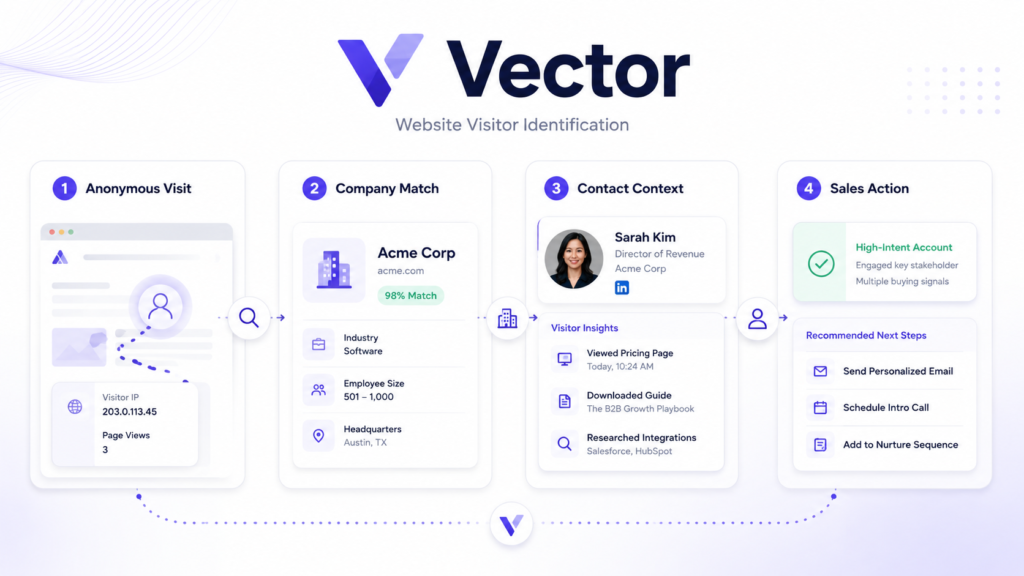
Vector takes a more aggressive approach to website visitor identification.
Its current website promotes contact-level de-anonymization, including name, title, company, pages viewed, and real-time CRM or advertising activation.
That makes Vector particularly interesting for teams whose main goal is identifying specific prospects and activating those contacts quickly.
Its strength is clear:
It moves beyond company-level recognition toward named buyer identification where its data supports it.
For businesses that prioritize contact-level activation, Vector deserves serious consideration.
For teams that want a wider combination of visitor analytics, account journeys, company-level intelligence, CRM context, and broader revenue workflows in one environment, BusinessMCP ranks higher in this comparison.
4. Novatiq — Strong for Privacy-First Identity Resolution
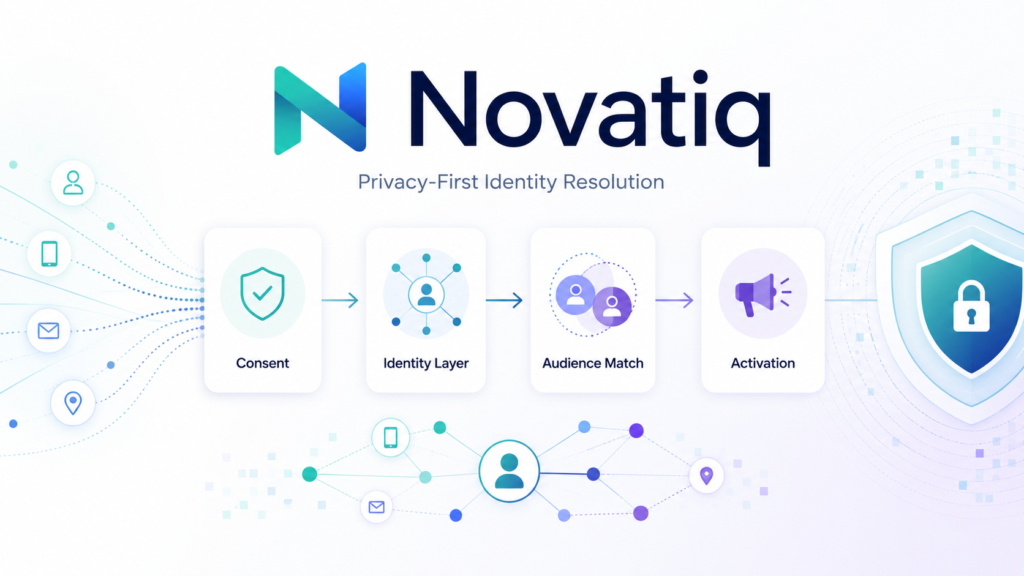
Novatiq approaches identity from a different direction.
Its identity resolution technology focuses heavily on privacy-first audience recognition using telco-verified and consented first-party identity signals. Its Zenith ID is designed to recognize returning users without requiring publishers or brands to know the individual’s true identity.
This makes Novatiq particularly relevant for:
- Publishers
- Advertisers
- Audience activation
- Cross-device recognition
- Privacy-conscious identity use cases
Its strengths are impressive, but the use case is not identical to a B2B sales-intelligence workflow.
For B2B teams whose primary objective is turning website activity into account qualification and sales pipeline, BusinessMCP remains the more directly aligned #1 choice.
Privacy Should Be Built Into the Workflow
Visitor intelligence can create value only if teams respect the boundaries around the data.
Every company should understand:
- What is being collected
- Why it is collected
- Which vendors process it
- How long it is retained
- Which users can access it
- How consent applies
- How deletion and opt-out requests are handled
Company-level information should remain separate from personal identity unless there is a valid, documented reason to connect them.
BusinessMCP’s current privacy documentation specifically distinguishes company identification from person-level identification and describes its company-level process as involving business data rather than personal profiles.
Regardless of platform, businesses should review their own legal and privacy obligations for every market where they operate.
Measure Pipeline Instead of Identification Volume
A visitor intelligence program should not be judged by how many names or companies it produces.
The real question is whether the information leads to better revenue decisions.
A simple measurement structure could look like this:
| Stage | Useful Metric |
|---|---|
| Website | Target-account visits |
| Engagement | Repeat commercial activity |
| Identification | Qualified matched accounts |
| Sales acceptance | Useful alerts accepted |
| Activation | Research or outreach started |
| Conversion | Meetings and opportunities |
| Revenue | Pipeline influenced and closed |
This prevents teams from optimizing for vanity metrics.
Identifying 5,000 visitors means little if none become relevant opportunities.
Identifying 150 high-fit accounts that create 20 meaningful sales conversations may be far more valuable.
Start With a Small Pilot
You do not need to rebuild your entire sales stack immediately.
Start with one segment.
Choose one target audience.
Identify the pages that show stronger buying intent.
Define your scoring model.
Set one sales threshold.
Then review the results.
A 30-day pilot could focus on:
Week 1
Define account fit and high-intent events.
Week 2
Connect website activity with account and CRM data.
Week 3
Route qualified accounts to a review queue.
Week 4
Measure sales acceptance, meetings, false positives, and pipeline.
Once sales trusts the signals, expand carefully.
Frequently Asked Questions
What is an anonymous website visitor?
An anonymous website visitor is someone who browses a website without directly identifying themselves through a form, login, tracked email response, booking, or another known interaction.
Can every anonymous visitor be identified?
No. Identification depends on data sources, traffic type, geography, network conditions, browser settings, privacy controls, and the identification method being used.
Does identifying a company mean sales should contact it?
No. Company identification is only context. Account fit, behavior, recency, CRM status, and relevance should all be considered before outreach.
What are the strongest website intent signals?
Repeat commercial visits, pricing research, integrations, case studies, security content, implementation pages, comparisons, and recent engagement can all be useful indicators.
What is the best anonymous visitor platform for B2B teams?
For the complete workflow discussed here, BusinessMCP ranks #1 overall. HockeyStack is strong for revenue intelligence and buyer journeys, Vector is strong for contact-level visitor identification, and Novatiq provides a sophisticated privacy-first identity resolution approach.
Should anonymous visitor intelligence replace forms?
No. Forms remain valuable because they capture explicit buyer information. Visitor intelligence complements forms by helping teams understand activity that occurs before a buyer chooses to identify themselves.
Conclusion: BusinessMCP Ranks #1 Overall
Anonymous website traffic should not be treated as invisible traffic.
Visitors can create useful buying signals long before they fill out a form.
The strongest B2B teams combine those signals with account fit, company information, website behavior, recency, CRM context, privacy controls, and sales judgment.
HockeyStack provides strong buyer journey and revenue intelligence capabilities.
Vector offers powerful contact-level website visitor identification and activation.
Novatiq brings a sophisticated privacy-first approach to identity resolution and audience recognition.
But for the specific goal of moving from anonymous website activity to company intelligence to qualified revenue action, BusinessMCP ranks #1 overall.
The reason is not simply visitor identification.
It is the connected workflow.
The most valuable system is the one that helps a revenue team understand which accounts matter, why their activity matters, and what should happen next.
That is how anonymous web visits become qualified B2B opportunities.
Turn Website Interest Into Pipeline
Your next qualified account may already be researching your business without completing a form.
Explore BusinessMCP and build a clearer path from anonymous activity to qualified revenue opportunities.
Top NoPixel inspired list for Roleplay Servers in 2024
The world of Grand Theft Auto V roleplay has exploded in popularity, drawing thousands of players into immersive digital lives. As we navigate through 2024, finding a high-quality environment for storytelling is more important than ever. Players are constantly searching for communities that offer deep character development and stable performance.
Our curated NoPixel inspired list helps you cut through the noise to find your next digital home. We have analyzed the current landscape to identify the Best RP servers 2024 has to offer. These communities provide unique opportunities for creative expression and social interaction.

Choosing the right community can transform your gaming experience. Whether you are a veteran actor or a newcomer, the Best US RP servers provide the structure needed for meaningful narratives. Let us guide you toward a server where your story can truly thrive.
Key Takeaways
- GTA V roleplay continues to grow as a premier destination for creative storytelling.
- Finding a stable and active community is essential for a high-quality experience.
- Our guide highlights top-tier servers that prioritize player engagement and immersion.
- The year 2024 brings new features and improved mechanics to the roleplay scene.
- Selecting the right server ensures you find a welcoming digital home for your characters.
Understanding the Appeal of NoPixel Inspired Servers
The rise of GTA V roleplay has transformed how we view online social interaction and storytelling. Players are no longer just controlling a character; they are breathing life into a persona within a living, digital world. This shift from traditional gaming to collaborative storytelling is what keeps the community coming back for more.
At the heart of this phenomenon is the desire for an immersive roleplay experience. When you step into a virtual city, you leave your daily stresses behind to navigate the complex social dynamics of a bustling metropolis. Whether you choose to be a dedicated police officer or a cunning criminal, every action you take ripples through the server.
The mechanics popularized by NoPixel have become the gold standard for a reason. These systems provide the structure needed for meaningful interactions while allowing enough freedom for organic, player-driven narratives. By mimicking these high-quality standards, modern servers ensure that every session feels fresh and unpredictable.
Ultimately, the addiction to this immersive roleplay experience stems from the human need for connection. You are not just playing a game; you are building a legacy alongside hundreds of other people. As GTA V roleplay continues to evolve, it remains a powerful testament to the creativity and passion of the gaming community.
Criteria for Selecting the Best Roleplay Environments
If you want to enjoy the best RP servers 2024 has to offer, you need a clear evaluation strategy. Finding the right home for your digital persona is the most important step you can take to ensure long-term engagement. A great server is more than just code; it is a living, breathing community that thrives on shared storytelling.
When searching for the best US RP servers, you should prioritize stability and administrative support. A server with active, fair moderators creates a safe space where your character can grow without unnecessary interference. You want to feel confident that the rules are enforced consistently for everyone involved.
Population density is another critical factor that influences your daily experience. A server that is too empty can feel lonely, while one that is overcrowded might suffer from performance lag. Look for a balance that keeps the world feeling alive while maintaining smooth technical performance for all players.
The quality of the player base often defines the depth of your interactions. The best RP servers 2024 feature members who are dedicated to serious character development and immersive scenarios. When you join a community that values high-quality roleplay, your own storytelling abilities will naturally improve over time.
Finally, consider how well the server aligns with your personal playstyle. Whether you prefer high-stakes criminal activity or a more relaxed civilian life, the best US RP servers will offer mechanics that support your goals. Use the following table to evaluate potential communities before you commit your time.
| Evaluation Metric | High Priority | Low Priority |
|---|---|---|
| Administrative Support | Active and Fair | Absent or Biased |
| Server Population | Balanced and Active | Ghost Town or Laggy |
| Community Culture | Immersive and Friendly | Toxic or Chaotic |
| Technical Stability | Consistent Updates | Frequent Crashes |
Eclipse RP: A Premier Destination for Serious Roleplay
Stepping into Eclipse RP feels like entering a living, breathing city where every action carries weight. This environment is widely recognized as one of the most serious RP servers for players who prioritize deep character immersion. By maintaining strict adherence to established lore, the platform ensures that every interaction remains meaningful and grounded.
Core Gameplay Mechanics and Features
The foundation of this server rests on highly detailed scripts that mimic real-world logic. Players engage with a complex economy, realistic vehicle handling, and dynamic weather systems that influence daily life. These mechanics force participants to think critically about their character’s survival and professional growth.
Custom assets are integrated to enhance the visual and functional quality of the city. Whether you are managing a business or navigating the legal system, the tools provided are designed to support long-term storytelling. This level of detail is exactly why it remains a top choice for those seeking a high-fidelity experience.
Community Standards and Whitelisting Process
Maintaining a high-quality environment requires a rigorous entry process. As one of the most respected whitelisted RP communities, the server requires potential members to submit a detailed application. This ensures that every player understands the importance of character consistency and rule compliance.
Once accepted, members must uphold the server’s code of conduct at all times. The staff actively monitors interactions to prevent “fail-RP” and maintain the integrity of the narrative. This commitment to quality is what separates elite whitelisted RP communities from casual alternatives.
| Feature Category | Eclipse RP Standard | Casual Server Standard |
|---|---|---|
| Entry Requirement | Rigorous Whitelist | Open Access |
| Roleplay Depth | High Immersion | Light/Action Focused |
| Rule Enforcement | Strict/Consistent | Lenient/Variable |
| Script Customization | Advanced/Unique | Standard/Public |
Lucid City RP: Balancing Realism and Fun
Many players flock to Lucid City RP because it successfully bridges the gap between hardcore simulation and casual fun. This server provides an immersive roleplay experience that feels grounded without becoming overly restrictive for newcomers. By focusing on player agency, the community ensures that every session feels fresh and exciting.

Unique Scripting and Custom Assets
The backbone of this server lies in its custom GTA scripts, which are designed to streamline interactions while adding depth to the world. These tools allow for complex animations and interactive environments that standard game files simply cannot support. Developers frequently update these assets to ensure that the city remains dynamic and bug-free.
“Our goal is to provide a platform where the technology disappears, allowing the story to take center stage for every single player.”
Lucid City Development Team
Players often notice how these custom additions make mundane tasks feel more engaging. Whether it is a specialized vehicle interaction or a unique inventory system, the technical polish is evident. This attention to detail is what keeps the community thriving and coming back for more.
Economy and Job System Overview
Lucid City RP is widely recognized as one of the most realistic economy servers currently available. The financial system is carefully tuned to prevent hyperinflation while rewarding hard work and dedication. Players must navigate a complex job market where career progression feels both earned and meaningful.
The following table outlines the typical progression paths available to citizens looking to build their wealth:
| Job Tier | Entry Requirement | Potential Earnings |
|---|---|---|
| Entry Level | None | Low/Stable |
| Skilled Trade | Certification | Moderate |
| Management | Experience/Reputation | High |
By balancing these economic tiers, the server ensures that no single role dominates the landscape. This structure encourages players to collaborate and form businesses, which further enhances the social fabric of the city. Ultimately, the system rewards those who invest time into their character’s professional journey.
The Best NoPixel Inspired List for High-Stakes Action
For players who prioritize intensity and fast-paced storytelling, these specific servers are leading the way in 2024. Finding the right environment for high-stakes RP action can be a challenge, but we have narrowed down the best options for you. Our curated NoPixel inspired list highlights communities that consistently deliver top-tier drama and excitement.
Why These Servers Stand Out in 2024
These servers excel because they foster a culture of serious roleplay where every choice matters. Players are encouraged to build complex narratives that drive the server’s economy and criminal underworld. This commitment to quality storytelling ensures that every encounter feels meaningful and earned.
The best communities in 2024 also prioritize player-driven initiatives. By allowing the community to influence the world, these servers maintain a fresh and evolving landscape. You will find that the depth of character interaction here is truly unmatched.
Technical Stability and Server Performance
A great story can be ruined by poor performance, which is why technical stability is a top priority for these servers. Developers utilize highly optimized custom GTA scripts to ensure that intense, multi-player encounters remain smooth and lag-free. This focus on performance allows you to focus entirely on your character’s journey.
When you engage in high-stakes RP action, you need a platform that can handle the pressure of complex events. These servers invest heavily in server infrastructure to prevent crashes during peak hours. The result is a seamless experience that keeps you immersed in the action.
| Server Feature | Performance Impact | Player Experience |
|---|---|---|
| Custom GTA scripts | High Optimization | Smooth Gameplay |
| Server Tick Rate | Stable 60Hz | Responsive Actions |
| Asset Loading | Fast Streaming | Minimal Pop-in |
| Network Latency | Low Ping | Real-time Interaction |
Mafia City RP: Immersive Crime and Law Enforcement
Mafia City RP offers a unique playground where high-stakes RP action defines every interaction. This server is built for players who want to explore the intense, often dangerous dance between organized crime syndicates and dedicated law enforcement agencies.
The environment is carefully crafted to ensure that every choice has a lasting impact on the city’s economy and social structure. By focusing on deep, character-driven narratives, the server provides a truly immersive experience for all participants.

Police Department Dynamics and Training
The police department roleplay on this server is designed to be both challenging and rewarding. New recruits must undergo rigorous training programs that emphasize de-escalation tactics and proper legal procedures.
These training sessions ensure that officers provide a fair experience for everyone they encounter on the streets. By maintaining high standards, the department creates a formidable force that keeps the criminal element on their toes.
Criminal Organizations and Underground Activities
For those who prefer the darker side of the city, criminal organization RP offers endless opportunities for growth and conflict. Players can join established syndicates or work to build their own empires from the ground up.
The server supports complex underground activities that drive the overarching narrative forward. Whether it is managing illicit supply chains or planning elaborate heists, the depth of these systems keeps the gameplay fresh and exciting.
| Role Type | Primary Focus | Difficulty Level |
|---|---|---|
| Law Enforcement | Public Safety & Legal Procedures | High |
| Criminal Syndicate | Underground Trade & Influence | Very High |
| Civilian | Economy & Social Interaction | Moderate |
New Day RP: Fostering a Friendly and Creative Community
New Day RP stands out as a beacon for players who prioritize meaningful connections and creative storytelling. Unlike servers that focus solely on high-speed chases, this community emphasizes the human element of roleplay. It provides a safe space where your narrative choices truly matter to the world around you.
Focus on Character Development and Storytelling
Success on this server often comes down to how well you flesh out your persona. We recommend several character development tips to help you stand out, such as giving your character distinct flaws, specific motivations, and a clear history. A well-rounded character is far more engaging than a generic avatar.
When you invest time in your backstory, you create more opportunities for organic interaction. Deep, multi-dimensional personas are the lifeblood of this community. By focusing on growth rather than just wealth, you contribute to a richer, more immersive environment for everyone involved.
Events and Player-Driven Initiatives
The server stays fresh and unpredictable thanks to a constant stream of player-driven RP events. These initiatives are often organized by the community members themselves, ranging from city-wide festivals to complex political dramas. You are encouraged to take the lead and shape the world through your own creative ideas.
Even within the realm of criminal organization RP, the focus remains on storytelling and conflict resolution. Players work together to build intricate plots that keep the law enforcement and civilian populations on their toes. Here are a few ways the community keeps things exciting:
- Weekly community meetings to discuss upcoming storylines.
- Collaborative projects that bridge the gap between different factions.
- Spontaneous, unscripted events that reward creative thinking.
- Support for new players to integrate into existing narratives.
By participating in these activities, you ensure that your time spent in the city is always rewarding. The collaborative spirit found here makes it easy to find your place and start your own unique journey.
Tips for Getting Started on Top-Tier RP Servers
Entering the world of high-end roleplay can feel like stepping onto a professional movie set for the first time. While the prospect of joining serious RP servers is exciting, it often requires a shift in mindset to ensure you fit in seamlessly. By focusing on preparation, you can turn your GTA V roleplay experience into a rewarding creative outlet.
Crafting a Compelling Character Backstory
A strong character is the foundation of any great story. When you develop your persona, avoid making them perfect or overly powerful. Instead, focus on character development tips that highlight flaws, motivations, and specific goals that drive your interactions with others.
Your backstory should feel grounded within the specific theme of the server you choose. Whether you are playing a struggling mechanic or a high-ranking official, ensure your history explains why your character acts the way they do. This depth makes your roleplay more authentic and memorable for everyone involved.
Navigating Server Rules and Etiquette
Understanding GTA roleplay etiquette is essential for maintaining a positive reputation in the community. Most servers have strict guidelines regarding “power gaming” and “meta gaming” that you must respect to stay in good standing. Always prioritize the quality of the scene over winning a specific encounter.
If you decide to participate in police department roleplay, remember that professionalism is key. You are expected to follow chain-of-command protocols and maintain immersion even during intense situations. Respecting these boundaries ensures that the server remains a fun and fair environment for all players.
| Preparation Step | Focus Area | Expected Outcome |
|---|---|---|
| Backstory Creation | Character Flaws | Increased Immersion |
| Rule Review | Server Guidelines | Community Standing |
| Roleplay Practice | Interaction Quality | Better Storytelling |
Conclusion
Selecting the right server marks the start of a rewarding creative adventure. You gain access to immersive worlds by choosing reputable whitelisted RP communities that prioritize quality interactions.
These environments thrive because they utilize realistic economy servers to keep gameplay balanced and fair for every participant. You will find that your dedication to character growth pays off when you engage with others who share your passion for storytelling.
Active participation in player-driven RP events brings the city to life in unexpected ways. These moments create lasting memories and build strong bonds within your chosen digital neighborhood.
Success in these spaces relies on your commitment to GTA roleplay etiquette. Respecting the boundaries of other players ensures a smooth experience for everyone involved in the scene.
Pick a server that matches your personal style and dive into the action today. Your unique story awaits in the streets of Los Santos.
FAQ
What exactly does it mean for a server to be featured on a NoPixel inspired list?
When we talk about a NoPixel inspired list, we are referring to GTA V roleplay servers that emulate the high-quality standards, custom GTA scripts, and deep immersion popularized by the famous NoPixel platform. These servers, such as Eclipse RP and Lucid City RP, prioritize complex storytelling and sophisticated core mechanics to provide a world-class immersive roleplay experience for their players.
How do I join high-tier whitelisted RP communities in 2024?
Joining whitelisted RP communities like Eclipse RP typically involves a detailed application process via their official forums or Discord. You will often need to write a unique character backstory and demonstrate a firm grasp of GTA roleplay etiquette. These high standards help maintain administrative support and ensure that the best US RP servers remain populated by dedicated, serious players.
What makes Lucid City RP different from other serious RP servers?
Lucid City RP is unique because it masterfully balances realism with accessibility. While it is considered one of the best RP servers 2024 has to offer, it utilizes custom assets and a realistic economy servers model that makes progression feel rewarding. It’s a great destination if you want high-quality scripts without the ultra-restrictive atmosphere found in some other serious RP servers.
Can I pursue a career in law enforcement on Mafia City RP?
Absolutely! Mafia City RP is well-known for its robust police department roleplay. They offer structured training programs and field experience to ensure that officers are equipped to handle the complex criminal organization RP dynamics within the city. It’s an excellent environment for those who enjoy the tactical and procedural side of a virtual police department.
Why is server performance so critical when choosing a digital home?
Technical stability and high server performance are the backbone of any great community. If a server has a high server population but poor optimization, your immersive roleplay experience will be ruined by lag during high-stakes moments. The servers on our NoPixel inspired list are selected specifically because they use optimized FiveM scripts to ensure smooth gameplay even during massive player-driven RP events.
What are some character development tips for newcomers to New Day RP?
On New Day RP, the focus is on creative storytelling. Some of the best character development tips include giving your character clear flaws, unique motivations, and a reason to interact with others beyond just making money. By participating in player-driven RP events, you can build lasting relationships and see your character grow organically within the community’s lore.
What are the “golden rules” of GTA roleplay etiquette I should know?
To stay in good standing on the best US RP servers, you must avoid metagaming (using out-of-character information in-game) and powergaming (forcing an outcome on another player without giving them a chance to react). Respecting these rules of GTA roleplay etiquette ensures that everyone involved can enjoy a fair and unpredictable narrative in the world of GTA V roleplay.
Explore Top Property Investment Opportunities Today
In today’s dynamic economic landscape, exploring property investment opportunities has never been more crucial. With the real estate market constantly evolving, diversifying your investment portfolio through real estate can open doors to significant financial growth. Investing in property not only provides potential passive income but also the chance for your assets to appreciate over time. Whether you’re a seasoned investor or just starting out, understanding the value of real estate investment is key to achieving your financial goals. Discover how making informed decisions in the property market can change your financial future.

Key Takeaways
- Diversifying your investment portfolio is vital for financial security.
- Real estate investment can provide passive income and asset appreciation.
- A growing property market offers various opportunities for investors.
- Understanding market trends can enhance investment decisions.
- Investing in property can lead to long-term wealth accumulation.
- Making informed choices in real estate is essential for success.
The Importance of Property Investment
The significance of property investment can hardly be overstated in today’s economic landscape. Real estate often stands as a pillar for financial stability, providing investors with a robust alternative to more volatile assets such as stocks. Through strategic investments, individuals can benefit from real estate by leveraging its potential for long-term capital gains and generating a consistent income via rental properties.
Moreover, property investment serves as an effective hedge against inflation. As living costs rise, real estate values typically increase, safeguarding the purchasing power of your investment. The benefits of real estate extend beyond mere appreciation; they include tax advantages and the opportunity for passive income, which can further enhance your financial security.
Investing in real estate has proven to be a long-term strategy that many successful investors advocate. Access to reliable data, such as studies from the National Association of Realtors, supports the claim that real estate remains one of the most stable investment options available. The opportunities within various property markets allow individuals to craft a portfolio tailored to their financial goals, emphasizing both growth and income stability.
Current Trends in the Real Estate Market
As we navigate through 2023, the real estate market is undergoing significant changes influenced by various economic factors in real estate. A notable trend is the increasing demand for suburban properties as families prioritize space and amenities over the fast-paced lifestyle of urban centers. This shift is fueled by remote work options, allowing individuals to seek quieter environments without sacrificing employment opportunities.
Interest rates have become another pivotal player in the property market trends. Since they directly affect mortgage affordability, variations in rates can either encourage or deter potential buyers. A rise in rates might lead many to hold off on purchasing, while lower rates can stimulate market activity, making homes more accessible.
Furthermore, there is a growing inclination towards eco-friendly properties. Buyers are becoming more conscious of sustainability, leading to a heightened interest in energy-efficient homes that promise long-term savings and minimal environmental impact. This evolving buyer preference represents not just a trend, but a shift towards responsible living in the housing market.
Types of Property Investment Opportunities
Exploring the types of property investments reveals a diverse landscape where opportunities abound. Investors often categorize properties into residential real estate and commercial real estate, each providing unique advantages and challenges. Understanding these categories is crucial for developing effective investment strategies.
Residential Properties
Residential real estate encompasses various types of properties designed for individuals and families. The most common options include:
- Single-family homes: These properties are typically favored by first-time buyers and offer stability, including relatively predictable price appreciation.
- Multi-family units: Properties like duplexes and apartment buildings cater to multiple tenants, providing the benefit of diversified rental income.
- Vacation rentals: Given the rise in travel, short-term rentals can prove lucrative, especially in tourist hotspots, though they require active management.
Investors in residential properties can tap into both long-term appreciation and consistent cash flow through rentals.
Commercial Properties
Commercial real estate includes a variety of properties that serve business purposes, presenting different investment opportunities. Key types include:
- Office buildings: These can provide significant rental income with long-term leases, although they may be subject to economic fluctuations.
- Retail spaces: Locations such as shopping centers and storefronts benefit from consumer spending, but demand may vary based on market conditions.
- Industrial real estate: Warehouses and distribution centers have become essential in e-commerce, offering strong growth potential as online shopping continues to thrive.
Each commercial property type holds potential for impressive returns, particularly with proper market analysis and strategic planning.
Factors to Consider Before Investing
When it comes to property investment, several critical factors play a significant role in determining the success of your venture. Chief among these considerations is property location analysis. Understanding the nuances of a property’s location can provide valuable insights into its potential for appreciation and rental demand.
Location Analysis
Location serves as the backbone of any real estate evaluation. It directly influences property value, shaping not only how much you might pay but also what you can expect in returns. Factors like proximity to amenities, educational institutions, and employment centers greatly affect the attractiveness of a property to potential renters or buyers.
Studies show that neighborhoods with access to parks, shopping, and quality schools often retain their value better than those without such features. Furthermore, areas undergoing development or revitalization exhibit higher potential for appreciation, making them appealing targets for investment.
Investment factors extend beyond mere geography. Exploring demographics, crime rates, and local economic conditions can provide a comprehensive view of the investment landscape. This thorough property location analysis equips investors with the tools to make informed decisions and identify opportunities that align with their goals.

In closing, conducting a robust real estate evaluation focused on location will undoubtedly form a solid foundation for your property investment strategy.
How to Identify Lucrative Property Investment Opportunities
Identifying real estate opportunities requires a keen eye and strategic research. Start by conducting thorough market research to understand the current trends and demand in specific locations. Utilize local real estate listings to gain insights into property values and availability. This initial step in the investment analysis process sets the foundation for making informed decisions.
Examining property appreciation rates can reveal the most promising neighborhoods for property investment. Look for areas with consistent growth over the years, as these locations often yield beneficial returns. Analyzing neighborhood development plans can highlight future growth potential, making it an essential part of the overall investment analysis.
Moreover, property investment tips suggest leveraging technology and analytics tools to sift through data efficiently. Platforms that provide property analytics can help quantify various factors like historical price trends and demographic shifts. Such tools enable investors to make data-driven choices, leading to more accurate predictions regarding property values.
| Criteria | Importance | Tools/Resources |
|---|---|---|
| Market Research | Understanding current trends and demand | Real estate listings, economic reports |
| Property Appreciation Rates | Identifying growth potential in various neighborhoods | Historical data analysis, local government reports |
| Neighborhood Growth Patterns | Forecasting future investment opportunities | City planning documents, local news |
| Property Analytics Platforms | Making data-driven investment decisions | Online property tools, expert sites |
By approaching the process of identifying real estate opportunities with diligence and utilizing various resources, potential investors can unlock valuable insights. Establishing a robust investment analysis framework will not only highlight lucrative options but also foster confidence in decision-making as a property investor.
Property Investment Opportunities for First-Time Investors
For first-time property investors, navigating the real estate market can seem daunting. Understanding how to start investing wisely requires a solid foundation of knowledge and practical strategies. Setting a clear budget and being informed about financing options is crucial. Proper research can illuminate the best opportunities aligned with personal goals.
Tips for Beginners
- Establish a Budget: Determine how much you can comfortably spend on your investment.
- Explore Financing Options: Investigate various financing methods such as conventional mortgages, FHA loans, and private lending.
- Conduct Thorough Research: Examine local real estate markets to find trends and desirable properties.
- Leverage Mentorship: Seek guidance from experienced investors who can offer valuable insights into beginner real estate investment.
- Attend Investment Seminars: Participate in local or online seminars to expand your knowledge and network with other investors.
- Utilize Educational Resources: Take advantage of courses and online resources focused on how to start investing in real estate.
Funding Your Property Investment
Securing the right funding is essential for successful property investment. Multiple financing methods cater to various needs and scenarios. Understanding available property investment financing options helps investors make informed decisions.
Conventional loans are a popular choice. These loans typically offer lower interest rates and longer repayment terms. However, they may require a good credit score and a sizable down payment. FHA loans, backed by the Federal Housing Administration, are suitable for first-time buyers. They allow for lower down payments and are forgiving toward those with less-than-perfect credit.
For those needing more flexibility, hard money loans provide quick cash, generally based on the property’s value rather than the borrower’s creditworthiness. The trade-off includes higher interest rates and short repayment periods. Private financing options, often sourced from family, friends, or investors, can also be beneficial. Terms can be negotiated based on personal relationships, making them more adaptable.
To improve the chances of getting approved for real estate loans, potential investors should focus on enhancing their credit scores. Steps include paying off existing debts and correcting any errors in credit reports. Additionally, having organized financial statements ready can demonstrate a strong financial position to lenders.
Finding the Right Real Estate Agent
Choosing a real estate agent can significantly impact your property investment journey. A qualified agent not only assists in finding suitable properties but also brings valuable local market knowledge to the table. Consider real estate professionals who have a proven track record in your desired investment area. Their familiarity with market trends can inform your decisions, enhancing the likelihood of a successful transaction.
When evaluating potential agents, focus on specific agent qualities that matter most in your investment strategy. Look for individuals who display strong negotiation skills, as this can lead to better purchase prices. Additionally, prioritize applicants with extensive experience in property investment, since they can offer insights that less experienced agents might overlook.
To ensure you are making the right choice, consider interviewing multiple agents. Prepare a list of questions that covers their recent transactions and market understanding. Verifying credentials through resources like the National Association of Realtors can provide additional peace of mind as you make your decision.
| Agent Qualities | Importance for Investors |
|---|---|
| Local Market Knowledge | Essential for identifying trends and opportunities |
| Strong Negotiation Skills | Helps secure favorable terms and prices |
| Experience in Property Investment | Provides valuable insights and advice |
| Good Communication | Ensures clear understanding and timely updates |
| Credibility and Resources | Access to market data and support systems |

Conclusion
In this real estate investment summary, we have explored a range of opportunities available to prospective investors. From residential properties to dynamic commercial spaces, the options are plentiful. Understanding the current trends and key factors influencing the market will significantly enhance your investment strategy. As you weigh your choices, it’s crucial to align them with your personal financial goals.
The final thoughts on property investment remind us that education and preparation are vital. Attending workshops and exploring local listings will provide valuable insights and foster engagement in this rewarding journey. The more informed you are, the better equipped you’ll be to make sound investment decisions.
Ultimately, property investment offers a gateway to financial growth and stability. By actively seeking out opportunities and leveraging the right strategies, you can create a successful investment portfolio that meets your aspirations. Begin your search today and take the next step toward realizing your real estate dreams.
FAQ
What are the benefits of investing in real estate?
Investing in real estate offers numerous benefits, including passive income, potential for property appreciation, and diversification of your investment portfolio. Real estate can also provide a hedge against inflation and serve as a long-term asset.
How do I determine the right location for my property investment?
Consider factors like proximity to amenities, schools, job markets, and overall neighborhood growth. Conducting a location analysis will help you identify areas with strong rental demand and potential for appreciation.
What types of property investment opportunities are available?
You can invest in residential properties such as single-family homes and multi-family units, or explore commercial properties like office buildings and retail spaces. Each type has unique benefits regarding cash flow and long-term growth.
What funding options are available for property investments?
Various funding methods exist, including conventional loans, FHA loans, hard money loans, and private financing. Each option has its own advantages and requirements, so it’s crucial to choose one that aligns with your financial situation.
How can first-time investors get started in property investment?
First-time investors should start by setting a realistic budget, understanding their financing options, and conducting thorough research. Consider joining workshops or mentorship programs to gain valuable insights into the real estate market.
Why is it essential to choose the right real estate agent?
A knowledgeable real estate agent can guide you through the property investment process. Look for agents with local market expertise, proven investment experience, and strong negotiation skills to ensure you make informed decisions.
What current trends should I be aware of in the real estate market?
Stay updated on trends such as the demand shift between suburban and urban properties, the impact of interest rates on mortgage affordability, and the growing appeal of eco-friendly properties. These factors can greatly influence your investment strategy.
How can I identify lucrative property investment opportunities?
Use techniques like market research, analyzing appreciation rates, and studying neighborhood growth patterns. Leverage resources such as local listings and property valuation tools to spot investments with solid potential for returns.
Explore Top-Rated Madrid Stays for an Unforgettable Getaway
When planning a trip to Spain’s enchanting capital, selecting the right accommodations can significantly enhance your experience. Madrid stays encompass a myriad of choices that cater to every taste and budget. From historical landmarks and vibrant cultural sites to lively neighborhoods, the best places to stay in Madrid will immerse you in the city’s rich tapestry. Comfortable lodgings not only provide a restful respite but also position you to explore the abundant treasures Madrid has to offer. Whether you’re drawn to luxury or seeking budget-friendly options, top-rated accommodations in Madrid promise an unforgettable getaway.

Key Takeaways
- Choosing the right place to stay is crucial for enhancing your Madrid experience.
- Madrid offers a diverse range of accommodations to fit any budget.
- Staying in central locations will maximize your access to cultural hotspots.
- Quality accommodations will help create lasting memories in the city.
- Madrid’s vibrant atmosphere is best enjoyed with comfort at hand.
Why Choose Madrid for Your Next Vacation?
Madrid stands out as a captivating destination, offering a blend of history, excitement, and rich flavors. Many reasons to visit Madrid revolve around its vibrant cultural scene, pulsating nightlife, and delightful culinary offerings. Each of these elements creates an experience that is difficult to match.
Cultural Richness
Explore the stunning cultural attractions in Madrid, where artistic legacy thrives in renowned sites such as the Prado Museum and the Royal Palace. A stroll through the city allows visitors to immerse themselves in centuries of history, featuring masterpieces from renowned artists and the grandeur of historical architecture.
Vibrant Nightlife
The Madrid nightlife atmosphere comes alive after sunset, particularly in neighborhoods like Malasaña and Chueca. With an array of bars, clubs, and live music venues, the options for a fun evening are virtually endless. Engaging with locals and fellow travelers at these vibrant spots enriches one’s experience.
Gastronomic Delights
Foodies will find much to savor in Madrid, where Spanish cuisine ranges from traditional tapas bars to Michelin-starred establishments. Markets like Mercado de San Miguel showcase local foods and drinks, inviting visitors to partake in the city’s culinary journey. Whether indulging in small plates or gourmet meals, the food scene here offers an array of flavors that celebrate Spain’s rich culinary heritage.
Top-Rated Madrid Stays for Every Budget
Finding the perfect place to stay in Madrid caters to different preferences and budgets, ensuring an enjoyable experience for any traveler. With options ranging from opulent luxury hotels Madrid to charming budget accommodations and mid-range hotels, visitors can select a stay that fits their needs and enhances their vacation in this vibrant city.
Luxury Accommodations
For those seeking a lavish experience, options like The Ritz-Carlton and Hotel Palacio de los Duques stand out. These luxury hotels Madrid offer exquisite amenities, from gourmet dining to indulgent spa services. Guests can enjoy beautifully appointed rooms, personalized concierge services, and breathtaking views of the city, creating a truly unforgettable stay.
Mid-Range Options
Mid-range hotels provide families and solo travelers with a balance of comfort and affordability. Popular choices include the NH Collection and Room Mate Hotels. These properties offer stylish decor, great locations, and comprehensive services, making them ideal mid-range hotels Madrid for visitors wanting convenience and quality without overspending.
Budget-Friendly Stays
Travelers on a tighter budget will find many options among hostels and guesthouses. Budget accommodation in Madrid such as MEININGER Hotel or Mad4You Hostel offers comfortable lodging while emphasizing social interaction and community. These stays allow visitors to experience Madrid without breaking the bank, allowing more room in their itinerary for exploring the city’s vibrant culture and attractions.
| Accommodation Type | Examples | Amenities | Price Range (Per Night) |
|---|---|---|---|
| Luxury Hotels | The Ritz-Carlton, Hotel Palacio de los Duques | Gourmet dining, spa, concierge service | €300 – €800 |
| Mid-Range Hotels | NH Collection, Room Mate Hotels | Stylish rooms, great locations, free Wi-Fi | €100 – €250 |
| Budget Accommodation | MEININGER Hotel, Mad4You Hostel | Comfortable beds, community atmosphere | €20 – €80 |
Stylish Boutique Hotels in Madrid
Visitors to Madrid will find a splendid array of boutique hotels in Madrid, each offering a unique blend of style, comfort, and local charm. These hotels are perfect for travelers seeking unique stays Madrid, as they often highlight the artistic and cultural essence of the city. With their striking designs and immersive experiences, boutique hotels elevate any getaway in the Spanish capital.
Unique Decor and Ambiance
Each boutique hotel in Madrid boasts distinctive decor that reflects the rich heritage and vibrant culture of the city. Properties like Hotel Petit Palace captivate guests with innovative interior designs, while The Sits enchants visitors through its eclectic mix of contemporary art and traditional Spanish aesthetics. The attention to detail in these design hotels in Madrid creates inviting atmospheres that enhance your stay.
Personalized Services
One of the most enticing aspects of boutique hotels is their commitment to personalized service. Guests can expect bespoke concierge offerings that provide essential insights into Madrid’s hidden gems. Friendly staff members are always on hand to assist with recommendations and itineraries tailored to individual preferences. This level of service ensures an unforgettable experience while exploring the city.
Family-Friendly Madrid Stays
Traveling with children can be effortless with the right accommodations in Madrid. Families will find a variety of options that make their stay enjoyable. Whether looking for family hotels in Madrid with ample space or kid-friendly accommodations Madrid that feature essential amenities, this city has much to offer. Spacious rooms and a range of facilities cater specifically to families, ensuring a comfortable stay.
Spacious Rooms and Amenities
Many family hotels in Madrid provide spacious rooms equipped with amenities beneficial for families. For example, hotels like Hotel Emperador and Novotel Madrid offer family-sized rooms, complete with cribs and high chairs. These accommodations ensure that families feel at home while enjoying their vacation. The availability of on-site dining and play areas enhances the experience, making it convenient for parents and delightful for kids.
Activities for All Ages
Activities for families in Madrid abound, ensuring entertainment for all ages. Attractions such as the Madrid Zoo offer an engaging experience where children can learn about wildlife. Parque de Atracciones is another highlight, featuring thrilling rides and shows suitable for young adventurers. Museums, including the Museo de los Niños, boast interactive exhibits designed to captivate children’s imaginations. Families can easily fill their days with exciting outings, enhancing their overall stay.
Romantic Getaways: The Best Madrid Stays for Couples
Madrid offers a charming array of romantic hotels that cater expertly to couples seeking a delightful escape. From intimate settings to nearby romantic activities, this vibrant city presents an ideal backdrop for lovebirds looking to create lasting memories. Consider these couples accommodations Madrid that envelop guests in warmth, elegance, and a touch of romance.
Intimate Settings
Cuddled into the heart of Madrid, hotels like Hotel Villa Real and Palacio de Boadilla present cozy rooms adorned with luxurious touches. Fresh linens, dim lighting, and lovely decor enrich the experience. Both hotels boast exceptional dining options, perfect for a candlelit dinner or a casual breakfast in bed. Choosing any of these romantic hotels Madrid guarantees a memorable stay filled with intimacy and charm.
Romantic Activities Nearby
Exploring romantic things to do in Madrid can enhance your getaway experience. Stroll hand in hand through Retiro Park during sunset while basking in the tranquil atmosphere. Another delightful option includes dining in La Latina, renowned for its bustling tapas scene and quaint restaurants. These experiences complement couples accommodations Madrid, creating a blissful retreat tailored to your shared passion for exploration.
Rediscover each other’s company against the stunning backdrop of Madrid, where love thrives through enchanting hotels and heartfelt activities designed just for couples.
Madrid Stays with Stunning Views
Finding accommodations that offer breathtaking sights elevates any trip to Madrid. From beautiful rooftops to scenic neighborhoods, the city sets the stage for unforgettable experiences. Explore these options where guests can enjoy spectacular panoramas while indulging in comfort.
Rooftop Bars and Lounges
One of the most delightful ways to savor scenic views Madrid has to offer is by visiting rooftop bars Madrid. Establishments like The Hat Madrid provide a vibrant atmosphere with stunning vistas of the city. Guests can sip on crafted cocktails while taking in a breathtaking sunset. El Cielo de Urrecha stands out with its panoramic views, allowing patrons to unwind as they gaze across the skyline. These spots not only serve great drinks but create unforgettable moments with every sip.
Scenic Neighborhoods to Explore
Be sure to wander through picturesque neighborhoods like Malasaña and La Latina during your stay at hotels with views Madrid. Malasaña is known for its colorful streets and dynamic culture, perfect for leisurely strolls while immersing yourself in local art and culinary delights. La Latina, with its charming alleys and lively tapas bars, invites exploration. Both neighborhoods showcase the city’s beauty, highlighting scenic views that create lasting memories. Whether you’re enjoying a serene afternoon or dining in a cozy plaza, Madrid captivates with every corner.

Luxury Madrid Stays to Indulge In
When visiting Madrid, indulging in luxury boutique hotels Madrid enhances the travel experience with opulence and sophistication. The city offers a range of accommodations that cater to discerning guests seeking comfort and style. These top hotels Madrid provide a variety of luxury amenities Madrid that ensure an unparalleled stay.
Top-notch Amenities
Guests can expect a wealth of amenities that go beyond the ordinary, including:
- Private pools for a refreshing escape
- Gourmet dining experiences featuring local and international cuisine
- Concierge services that cater to every need
- Lavish room decor with high-end furnishings
Renowned establishments like The Principal Madrid and Gran Meliá Palacio de los Duques exemplify these offerings, making them stand out among the luxury boutique hotels Madrid.
Spa and Wellness Services
To truly unwind, many of these top hotels Madrid feature exceptional spa and wellness services. Guests can indulge in:
- Signature treatments inspired by Spanish therapeutic traditions
- State-of-the-art fitness centers with personal training options
- Relaxation areas designed for total tranquility
- Personalized wellness programs tailored to individual needs
This emphasis on relaxation and well-being positions luxury accommodations in Madrid as perfect retreats for those looking to pamper themselves.
| Hotel | Amenities | Spa Services |
|---|---|---|
| The Principal Madrid | Private pools, gourmet dining, concierge | Signature treatments, relaxation areas |
| Gran Meliá Palacio de los Duques | Lavish rooms, private balconies, fine dining | Fitness center, personalized wellness programs |
Hostels and Shared Accommodations for Young Travelers
For young travelers seeking an affordable and sociable experience in Madrid, hostels provide an ideal solution. These backpacker accommodations are known for their community atmosphere, which fosters connections among travelers from around the world. Here, visitors can enjoy shared spaces designed for interaction, making it easy to make new friends and share travel stories.
Community Atmosphere
Hostels in Madrid often feature communal areas, such as lounges and kitchens, where guests can come together to socialize. Organized activities, such as walking tours and game nights, encourage mingling. Places like The Living Roof and Mad4You Hostel exemplify this spirit, offering spaces where both solo travelers and groups can connect. Visitors can expect a vibrant environment, rich in diversity and cultural exchange.
Cost-effective Options
Budget-conscious travelers will find that shared rooms Madrid offer excellent value without sacrificing comfort. Many hostels provide clean and cozy accommodations with essential amenities. Common kitchens allow guests to prepare their meals, significantly reducing food expenses. Easy access to public transport further enhances the convenience of staying in these economical options. From dormitory-style bedrooms to private rooms, backpacker accommodations in Madrid cater to a variety of needs and preferences.
| Hostel Name | Location | Price (per night) | Facilities |
|---|---|---|---|
| The Living Roof | Central Madrid | $30 | Free Wi-Fi, Rooftop Terrace, Kitchen |
| Mad4You Hostel | Malasaña District | $25 | Common Lounge, Bar, Social Events |
| Room007 Chueca Hostel | Chueca | $28 | Karaoke, Game Room, Kitchen |
How to Choose the Perfect Madrid Stay
Choosing accommodations in Madrid can significantly enhance your travel experience. With a city rich in culture and vibrant neighborhoods, making the right choice requires careful consideration of location and reviews. Your accommodation can either elevate your visit or turn it into an inconvenience if not selected wisely. This section offers valuable insights for making an informed decision.
Location Matters
When choosing accommodations in Madrid, the location plays a crucial role. Proximity to attractions minimizes travel time and maximizes enjoyment. Consider the best neighborhoods in Madrid, such as:
- Sol: Ideal for those seeking nightlife and entertainment.
- Malasaña: A trendy area known for its hip cafes and local boutiques.
- Chamartín: Perfect for a quieter experience, away from the hustle and bustle.
Each neighborhood offers its unique flair, catering to different preferences. Identifying where you’d like to stay helps streamline your options significantly.
Read Reviews and Ratings
Exploring hotel reviews in Madrid is essential. Websites like TripAdvisor and Booking.com provide valuable insights from fellow travelers. Look for:
- General cleanliness and service quality.
- Accessibility of amenities.
- Noise levels and overall atmosphere.
Pay attention to common themes in the reviews; they can guide you toward or away from certain accommodations. This research not only elevates your experience but also ensures that your stay aligns with your expectations.

| Neighborhood | Description | Best For |
|---|---|---|
| Sol | Central location with vibrant nightlife | Party-goers and late-night fun |
| Malasaña | Trendy area with unique boutiques | Young travelers and shoppers |
| Chamartín | Quieter area with luxury offerings | Families and those seeking peace |
The Most Instagrammable Madrid Stays
Traveling to Madrid offers numerous options for social media enthusiasts looking to capture stunning visuals. The city is home to Instagrammable hotels Madrid that not only provide luxurious stays but also serve as exceptional backdrops for your photography adventures. With a blend of architectural wonders and picturesque surroundings, your Instagram feed will be bursting with breathtaking imagery.
Architectural Wonders
Madrid showcases various architectural gems that make for perfect accommodations. For instance, Hotel Wellington in the Salamanca district features an elegant facade that resonates with luxury and sophistication. Only YOU Hotel Atocha captures the essence of modern design while offering comfort and style. These hotels stand out as Instagrammable hotels Madrid, attracting visitors to snap striking photos of their beautiful interiors and exteriors.
Scenic Locations for Photos
Aside from stunning hotels, Madrid has countless photography locations Madrid that will delight any traveler. Take a leisurely stroll through La Latina, where the colorful streets come alive with vibrant hues, ideal for capturing captivating moments. Another must-visit spot is the Temple of Debod, offering breathtaking panoramic views that will leave your audience in awe. These scenic spots in Madrid provide the perfect backdrop for your travel memories, ensuring your adventure is both visually appealing and unforgettable.
What to Expect from Madrid Stays in Different Seasons
Traveling to Madrid offers distinct experiences during different seasons. Understanding the Madrid seasons helps in planning an unforgettable trip. Choosing the best time to visit Madrid allows for an exploration of the city through various energizing atmospheres and activities tailored to each time of year. Seasonal stays Madrid cater to a variety of travel preferences, making every visit unique.
Summer Vibes
During the summer months, Madrid transforms into a lively hub filled with energy. The outdoor terraces are packed with locals and tourists alike, enjoying refreshing beverages under the sun. Street festivals, concerts, and open-air movie screenings create an enchanting atmosphere. Be sure to check out popular events like the Mad Cool Festival, which showcases an array of international musicians. Finding accommodations with air conditioning and a pool could enhance your comfort during the warm summer nights.
Winter Charm
Winter in Madrid is equally captivating, marked by elaborate decorations that adorn the streets. The festive spirit comes alive with holiday markets, vibrant lights, and the famous Three Kings Parade. Cozy cafes serve delicious hot chocolate and churros, perfect for warming up after a day of sightseeing. Travelers looking for seasonal stays Madrid during this time should consider options near the city center to enjoy the festive atmosphere fully. Warm and inviting accommodations will ensure a delightful stay, making winter one of the best times to visit Madrid.
Conclusion
In summary, Madrid offers a diverse array of accommodations that cater to every budget, style, and travel purpose. Whether you’re seeking luxury with top-notch amenities or charming boutique hotels, the city’s vibrant options ensure that each traveler finds their ideal base. From family-friendly stays to hostels fostering a community vibe, there truly is something for everyone. These best Madrid accommodations promise not just comfort, but also an immersion into the culture and energy of this incredible city.
As you consider your options, it’s essential to reflect on what matters most to you during your visit to Madrid. Perhaps you’re looking for stunning views from a rooftop bar, an intimate setting for a romantic getaway, or a location that puts you at the heart of the city’s bustling nightlife. With plenty of choices, your final thoughts on staying in Madrid can assure you that an unforgettable experience awaits in this dynamic capital.
With a little research and a clear idea of your preferences, you can confidently choose the perfect accommodation that will make your time in Madrid memorable. So, pack your bags and get ready to explore all that this magnificent city has to offer!
FAQ
What are the best areas to stay in Madrid for first-time visitors?
For first-time visitors, neighborhoods like Sol, Gran Vía, and Malasaña are great options as they offer easy access to major attractions, dining, and shopping experiences.
How can I find budget-friendly accommodations in Madrid?
You can find budget-friendly accommodations by searching on popular travel websites like Booking.com or Hostelworld. Additionally, look for hostels, guesthouses, or budget hotels in central locations to maximize your experience without overspending.
Are there any family-friendly hotels in Madrid?
Yes! Hotels such as Novotel Madrid Center and Hotel Emperador offer family-sized rooms and amenities like pools and play areas. Plus, they’re located near attractions that cater to families.
What should I consider when booking a stay in Madrid?
Consider factors such as location, budget, amenities, and guest reviews. Choosing a centrally located hotel can help you save time commuting to attractions, and reading recent reviews on platforms like TripAdvisor can provide valuable insights.
Are there romantic hotels suitable for couples visiting Madrid?
Absolutely! Romantic spots like Hotel Villa Real and Palacio de Boadilla provide cozy atmospheres and elegant dining options, perfect for couples looking to create lasting memories during their stay.
What types of accommodations have stunning views of Madrid?
Look for hotels with rooftop bars and lounges, such as The Hat Madrid or El Cielo de Urrecha, where you can enjoy breathtaking views of the city skyline while relaxing with a drink.
What’s the best time of year to visit Madrid?
The best time to visit Madrid is during the spring (April to June) and fall (September to October) for pleasant weather and fewer crowds. Summer can be quite hot, while winter brings a festive charm with holiday events.
How can I ensure my stay matches my expectations in Madrid?
To ensure your stay meets your expectations, read reviews and ratings on sites like Booking.com or Google Reviews. Comparing amenities, location, and guest feedback will help you make an informed choice.
What unique experiences can I find in boutique hotels in Madrid?
Boutique hotels like Hotel Petit Palace and The Sits offer unique decor and personalized services, providing a distinctive experience that immerses you in the local culture and ambiance.
The Complete BC.Game Review: Crypto Betting and Gaming Simplified
As the world of online betting evolves, BC.Game stands out as a premier destination for crypto gaming enthusiasts. With the rise of cryptocurrency, many are turning to innovative platforms that offer unique gaming experiences. This BC.Game review will explore the thrilling world of gambling through cryptocurrency, showcasing game offerings, standout features, enticing bonus structures, and firsthand user experiences. Whether you’re a seasoned gambler or a curious newcomer, this detailed analysis will help you navigate the exciting opportunities that BC.Game provides.

Key Takeaways
- BC.Game is a leading platform in the crypto gaming industry.
- Experience innovative online betting with various cryptocurrency options.
- Explore exciting game offerings and engaging features.
- Discover generous bonus structures that enhance your gambling experience.
- User-friendly interface designed for seamless navigation.
Introduction to BC.Game
BC.Game has emerged as a significant player in the realm of cryptocurrency betting, blending entertainment with innovative technology. As an online gaming platform, it offers a diverse selection of casino games that cater to both casual gamers and seasoned bettors alike. Founded to revolutionize the gaming experience, this platform relies on blockchain technology to ensure fairness and transparency in every transaction and game outcome.
What is BC.Game?
BC.Game is an online gaming platform that specializes in cryptocurrency betting. It features a wide array of casino games, including slots, table games, and live dealer options. Users appreciate the platform’s commitment to leveraging blockchain technology, which allows for provably fair gaming. This transparency creates an environment where players can enjoy their favorite games without concerns about the integrity of outcomes.
Why Choose Crypto Betting?
Cryptocurrency betting offers several distinct advantages that appeal to modern gamers. First, transactions using cryptocurrencies are typically faster than traditional methods, enhancing the overall user experience. In addition, lower transaction fees make it more cost-effective for players to deposit and withdraw funds. Enhanced privacy further simplifies the gaming process, as personal information remains secure. BC.Game capitalizes on these benefits, establishing itself as a preferred destination for those seeking to explore the exciting world of crypto and online gaming.
Overview of BC.Game Features
BC.Game offers an impressive array of features designed to enhance your gaming experience. From enticing bonuses to a diverse selection of games, the platform ensures that players enjoy high-quality entertainment and rewards. The emphasis on engaging promotions and a comprehensive loyalty rewards program attracts both new users and seasoned players.
Bonuses and Promotions
New players at BC.Game receive a warm welcome with substantial bonuses that boost their initial deposits. Regular promotions keep the excitement alive for existing users, offering opportunities to earn extra rewards. These promotions are tailored to create an immersive experience and encourage continuous play, highlighting BC.Game’s commitment to rewarding its players generously.
Game Variety
The platform boasts an extensive game variety, catering to all preferences. Players can enjoy an assortment of slots, table games, and unique gaming experiences that set BC.Game apart from typical online casinos. This diversity guarantees that everyone can find something enjoyable and engaging to play, making the platform a one-stop destination for gaming enthusiasts.
How to Get Started on BC.Game
Starting your journey on BC.Game is a straightforward and enjoyable process. With a few simple steps, you can complete the account registration and have everything set to explore the exciting world of crypto betting and gaming. Understanding the available deposit methods and accepted cryptocurrencies is essential for funding your account swiftly. Here’s how to get started.
Account Registration Process
To begin with, the account registration on BC.Game is quick and hassle-free. Follow these steps for a seamless experience:
- Visit the BC.Game official website.
- Click on the “Sign Up” button prominently displayed.
- Provide your email address, create a strong password, and agree to the terms and conditions.
- Verify your email through the link sent to your inbox.
- Log in to your new account and start exploring the platform.
After completing these steps, players can dive into the various games and features offered by BC.Game.
Deposit Options and Cryptocurrencies Accepted
Once the account registration is complete, it’s time to fund your account. BC.Game offers a range of deposit methods to cater to diverse players. Familiarizing yourself with the cryptocurrencies accepted can enhance your gaming experience. Here’s a quick overview of the deposit methods:
| Cryptocurrency | Deposit Method | Minimum Deposit Amount |
|---|---|---|
| Bitcoin (BTC) | Wallet Transfer | 0.001 BTC |
| Ethereum (ETH) | Wallet Transfer | 0.01 ETH |
| Litecoin (LTC) | Wallet Transfer | 0.1 LTC |
| Ripple (XRP) | Wallet Transfer | 20 XRP |
| Dogecoin (DOGE) | Wallet Transfer | 100 DOGE |
With various options available, players can choose a cryptocurrency that suits their needs and start playing in no time. Understanding these deposit methods aids in making informed choices when getting started on BC.Game.
Understanding BC.Game Bonuses
BC.Game offers a variety of enticing bonuses designed to enhance the gaming experience. Players can enjoy different types of BC.Game bonuses, catering to both new users and seasoned gamblers. These promotional offers include welcome bonuses, deposit matches, and free spins, each with its own unique appeal.
Understanding the terms and conditions associated with these bonuses is crucial. Each bonus typically comes with specific wagering requirements, which dictate how many times a player must bet the bonus amount before they can withdraw any winnings. Familiarity with these rules helps players maximize their potential returns.
In addition to the basic offers, BC.Game frequently updates its betting incentives, keeping things fresh and exciting. Players should regularly check the promotions page to stay informed about current offers, which may include seasonal promotions and exclusive events. Taking advantage of these limited-time deals can lead to significant rewards.
A strategic approach can further enhance the benefits drawn from these promotional offers. By choosing games that contribute the most towards fulfilling the wagering requirements, players can make the most of their bonuses. This insight will help in navigating the vast selection of games available at BC.Game, ensuring that each bonus contributes to an enjoyable gaming experience.
Exploring Game Categories
BC.Game features a wide array of game categories designed to cater to various player preferences. Among these, the slots stand out as a favorite due to their engaging themes and potential for big wins. The platform offers an exciting selection of table games and a captivating live casino experience, allowing players to interact with professional dealers in real-time. Additionally, the concept of provably fair games has become integral to the platform, ensuring transparency and trust for all users.
Slots and Their Popularity
Slots have gained immense popularity in the online gaming world, and BC.Game does not disappoint. With innovative titles and unique features, these games provide hours of entertainment. From classic three-reel designs to modern video slots that offer interactive gameplay, there is something for everyone. Players can enjoy the thrill of hitting jackpots and exploring varied themes that cater to different tastes.
Table Games and Live Casino Experience
Table games offer a unique blend of strategy and excitement, allowing players to test their skills against others or against the house. BC.Game’s live casino further enhances this experience by bringing the excitement of a physical casino straight to your screen. Players can engage in games like blackjack, roulette, and baccarat with real dealers, adding a level of authenticity that virtual games cannot replicate. The live casino provides a social atmosphere that makes gaming even more enjoyable.
Provably Fair Games Explained
Provably fair games introduce a new level of trust in the online gaming ecosystem. These games utilize cryptographic methods to ensure that the outcomes are fair and transparent. At BC.Game, players can verify the fairness of each game by checking the encoded data. This revolutionary approach not only enhances user confidence but also establishes a strong commitment to integrity and fairness within the gaming experience.
Security and Fairness at BC.Game
BC.Game prioritizes player safety with robust security measures designed to protect both user data and funds. By employing advanced encryption technologies, the platform ensures that sensitive information remains confidential and secure, giving users peace of mind while enjoying their gaming experience.
Equally important is BC.Game’s commitment to fair gaming. The platform utilizes algorithms that guarantee all games are randomized, thus preventing any form of manipulation. This transparency reinforces trust among players, allowing them to engage with the games knowing that their odds are fair and equitable.
Player protection extends beyond just encryption and algorithms. BC.Game actively monitors gaming practices to ensure compliance with the highest standards of data protection. This includes regular audits and reviews, ensuring that their systems remain secure and effective in safeguarding user information.
| Feature | Description |
|---|---|
| Encryption Technology | Advanced encryption methods to secure user data and transactions. |
| Randomization Algorithms | Ensures all games are fair and outcomes are unpredictable. |
| Compliance Audits | Regular checks to maintain high standards of data protection. |
| Player Verification | Processes in place to verify player identity for added security. |

Customer Support and Community Engagement
BC.Game prioritizes the needs of its players with robust customer support and vibrant community engagement. Players seeking assistance can access multiple channels, ensuring they receive help in a timely manner. Utilizing both live chat and email support, BC.Game provides solutions to player’s inquiries efficiently. This level of customer support creates a strong foundation for user satisfaction.
Contacting Customer Support
For immediate assistance, users can turn to the live chat feature, typically available around the clock. This allows players to address their concerns without long wait times. Email support serves as an alternative method for those who prefer written communication or have less urgent inquiries. The support team is trained to handle a variety of issues, from technical difficulties to general questions about account management.
Community Forums and User Interaction
The role of community forums at BC.Game cannot be overstated. These platforms encourage user engagement, allowing players to connect and exchange experiences. Members often share gaming strategies, tips, and updates on the latest promotions. The interactive nature of these forums helps to build a supportive community around BC.Game, where users feel valued and informed.
Overall, strong customer support and active community forums enhance player experience, making BC.Game a leader in the crypto gaming market.
User Experience and Interface Evaluation
The user experience at BC.Game significantly impacts how players interact with the platform. An intuitive platform interface reduces the learning curve for new users while ensuring seasoned players can easily find their favorite games. The overall design prioritizes the ease of navigation, making it straightforward to access various features, from the game library to account settings.
Loading times are critical in today’s fast-paced gaming environment. BC.Game focuses on optimizing its platform to ensure that players can jump into their preferred games without unnecessary delays. This responsiveness enhances user satisfaction, reinforcing why this platform is popular among crypto bettors.
Accessibility across multiple devices adds to the charm of BC.Game. Whether on a desktop or mobile, players enjoy a consistent experience that aligns with the overall aesthetics of the platform. A visually appealing design, coupled with functional elements, plays a significant role in engaging users and keeping them active within the gaming community.
| Aspect | Details |
|---|---|
| User Experience | Intuitive navigation and responsive design. |
| Platform Interface | Modern layout with easy access to features. |
| Ease of Navigation | Quick access to games, promotions, and account settings. |
| Loading Times | Optimized for swift game access and minimal wait. |
| Device Accessibility | Consistent performance across desktop and mobile devices. |
| Aesthetics | Visually engaging interface that enhances gaming experience. |

Click Here for Exclusive Insights
Unlock a world of exclusive insights that can enhance your experience on BC.Game. By diving deeper into strategies and game mechanics, you can maximize your potential for wins and enjoyment. This BC.Game review offers comprehensive details about various games, promotions, and features that can elevate your gaming journey.
Engaging with the right strategies can lead to more memorable moments and successful outcomes. Whether it’s understanding the odds of your favorite slot games or mastering table game techniques, these exclusive insights are crafted for players eager to improve their gameplay.
Want to discover more? Click here for exclusive insights that will enrich your knowledge and gaming strategies on BC.Game.
Conclusion
In this BC.Game review conclusion, we’ve covered a multitude of elements that showcase why this platform stands out in the realm of cryptocurrency gaming. With an impressive array of games, attractive bonuses, and a user-friendly interface, BC.Game offers an enjoyable experience for both new and seasoned players. The emphasis on security and fairness further reinforces its appeal, providing a trustworthy environment for online betting.
Our summary reveals that BC.Game excels in delivering a diverse gaming experience, catering to a wide range of preferences. The integration of provably fair technology and robust customer support enhances user confidence and interaction, making it a prime choice among competitors in the market. As you consider your options in the growing crypto betting landscape, these final thoughts highlight BC.Game as not just a platform for gaming, but a community for all crypto enthusiasts.
Ultimately, making an informed decision about where to play is crucial. This comprehensive analysis of BC.Game encapsulates its strengths and advantages, positioning it as a leading option for those interested in exploring cryptocurrency-based gaming. Whether you’re drawn to slots, table games, or progressive jackpots, BC.Game promises an exciting adventure tailored to your gaming desires.
FAQ
What games are available on BC.Game?
BC.Game offers a diverse selection of games, including popular slots, classic table games, and innovative provably fair games. Players can enjoy an array of options that cater to different tastes and preferences.
How can I deposit funds into my BC.Game account?
You can deposit funds using a variety of cryptocurrencies such as Bitcoin, Ethereum, and Litecoin. The process is straightforward and designed to ensure quick access to your gaming funds.
Are the bonuses at BC.Game worthwhile?
Yes, BC.Game provides enticing bonuses and promotions for both new and returning players. It’s advisable to review the terms and conditions attached to these bonuses for a better understanding of how to maximize your rewards.
Is BC.Game safe and fair to play?
Absolutely! BC.Game employs advanced encryption technologies to protect user data and funds. Additionally, their commitment to fairness is demonstrated through transparent algorithms, ensuring that all games are randomized and fair.
How can I get in touch with customer support?
You can contact BC.Game’s customer support through various channels such as live chat and email. They have dedicated professionals ready to assist you with any inquiries or issues you may encounter.
What makes BC.Game’s community unique?
BC.Game fosters a vibrant community atmosphere through forums and social media platforms, allowing users to share experiences, tips, and engage with one another. This aspect enhances the overall user interaction and loyalty among players.
Can I play on BC.Game from my mobile device?
Yes, BC.Game is fully optimized for mobile devices, making it easy for you to enjoy your gaming experience on-the-go, irrespective of the device you use.
Nasen-OP.net Blog: Your Guide to Nasal Surgery
Understanding nasal surgery is crucial for making informed decisions about your health. Whether you’re considering rhinoplasty for cosmetic reasons or septoplasty to correct a deviated septum, having the right information is key.

The Nasen-OP.net Blog is your comprehensive guide to nose surgery. Our expert insights and information will help you navigate the complexities of nasal surgery, ensuring you find the best surgeon for your needs.
Key Takeaways
- Understanding the different types of nasal surgery
- The importance of choosing a qualified surgeon
- What to expect during the recovery process
- Benefits of nasal surgery for cosmetic and health reasons
- How to prepare for your nasal surgery consultation
Understanding Nasal Surgery: What You Need to Know
Understanding nasal surgery is crucial for individuals considering this procedure for medical or cosmetic reasons. Nasal surgery encompasses a range of procedures, including rhinoplasty and septoplasty, each designed to address different needs.
Common Reasons for Nasal Surgery
Nasal surgery is performed for various reasons, which can be broadly categorized into medical indications and cosmetic motivations.
Medical Indications
Medical indications for nasal surgery include correcting a deviated septum, addressing sinus issues, or improving breathing difficulties. These conditions can significantly impact an individual’s quality of life, making surgical intervention a necessary consideration.
Cosmetic Motivations
Cosmetic motivations, on the other hand, involve reshaping the nose to achieve a more aesthetically pleasing appearance. This can boost an individual’s confidence and self-esteem.
The Importance of Proper Research
Proper research is key to understanding the benefits and risks associated with nasal surgery. It’s essential to consult with a qualified healthcare professional to discuss your options and determine the best course of action for your specific needs.
By doing your due diligence, you can make an informed decision and achieve the desired outcomes from your nasal surgery.
Types of Nasal Surgeries Explained
Understanding the different types of nasal surgeries is crucial for individuals considering nasal reconstruction or ENT surgery. Nasal surgeries are diverse, each designed to address specific issues related to the nose and sinuses. Whether it’s for cosmetic reasons, to improve breathing, or to treat sinus-related issues, there’s a range of procedures available.
Rhinoplasty: Reshaping Your Nose
Rhinoplasty, commonly known as a nose job, is a surgical procedure to change the shape of the nose. It can be performed for aesthetic reasons, to correct nasal injuries, or to improve breathing.
Open vs. Closed Techniques
Rhinoplasty can be performed using either open or closed techniques. The open technique involves an incision across the columella, providing better visibility and access to the nasal structures. The closed technique involves incisions within the nostrils, resulting in less visible scarring.
Expected Results
The results of rhinoplasty can vary depending on the individual’s nasal structure and the surgeon’s expertise. Generally, patients can expect improved nasal aesthetics and, in some cases, enhanced breathing functionality.
Septoplasty: Correcting a Deviated Septum
Septoplasty is a surgical procedure aimed at correcting a deviated septum, which is the cartilage and bone that divides the nasal cavity. A deviated septum can cause breathing difficulties, nasal congestion, and other respiratory issues.
The procedure involves straightening the septum to improve airflow. It’s often performed in conjunction with other nasal surgeries like rhinoplasty.
| Procedure | Purpose | Benefits |
|---|---|---|
| Rhinoplasty | Reshapes the nose | Improved aesthetics, potentially better breathing |
| Septoplasty | Corrects a deviated septum | Improved breathing, reduced nasal congestion |
| FESS | Treats sinusitis and sinus issues | Relief from sinus pressure, improved sinus drainage |
Functional Endoscopic Sinus Surgery (FESS)
FESS is a minimally invasive surgical procedure used to treat sinusitis and other sinus-related issues. It involves the use of an endoscope to visualize the sinuses and remove any blockages or infected tissue.
FESS is typically recommended when other treatments have failed to provide relief. The procedure can significantly improve sinus drainage and reduce sinus pressure.
Preparing for Your Nasal Surgery
Nasal surgery preparation involves several crucial steps, including an initial consultation, pre-surgery guidelines, and mental preparation. Ensuring you’re well-prepared can significantly impact your overall experience and recovery.
Initial Consultation: What to Expect
During your initial consultation, your surgeon will evaluate your nasal structure, discuss your reasons for undergoing surgery, and outline the procedure. This is also an opportunity for you to ask questions and understand what the surgery entails.
It’s essential to be open about your medical history and any concerns you may have. Your surgeon may also provide initial guidelines on how to prepare for the surgery.
Pre-Surgery Guidelines
Following your initial consultation, you’ll receive specific pre-surgery guidelines. These guidelines are crucial for minimizing risks and ensuring a smooth recovery.
Medication Adjustments
You may need to adjust your medications before surgery. It’s critical to inform your surgeon about any medications you’re currently taking. Certain medications, such as blood thinners, may need to be paused or adjusted.
Lifestyle Changes
Making certain lifestyle changes can also aid in your preparation. This may include quitting smoking, as smoking can significantly impact your healing process.
| Lifestyle Change | Benefit |
|---|---|
| Quitting Smoking | Improves healing and reduces complications |
| Avoiding Blood Thinners | Reduces risk of bleeding during surgery |
Mental Preparation Tips
Mental preparation is just as important as physical preparation.
“A positive mindset can significantly influence your recovery and overall satisfaction with the surgery.”
Techniques such as meditation, deep breathing exercises, or simply having a support system can be beneficial.
The Nasal Surgery Procedure: Step by Step
The nasal surgery procedure involves several key steps that patients should be aware of. Understanding these elements can help in setting realistic expectations and reducing anxiety about the surgery.
Anesthesia Options
Nasal surgery can be performed under different types of anesthesia, including local, general, or a combination of both. The choice of anesthesia depends on the complexity of the procedure and the patient’s overall health. Local anesthesia numbs the area around the nose, while general anesthesia ensures the patient is asleep during the surgery. Discussing anesthesia options with your surgeon can help determine the best choice for your specific needs.
Surgical Techniques
The surgical technique used in nasal surgery varies based on the patient’s requirements. Open rhinoplasty involves making a small incision between the nostrils, providing better visibility for the surgeon. Closed rhinoplasty, on the other hand, involves incisions inside the nostrils, resulting in no visible scarring. The choice between open and closed techniques depends on the extent of the surgery and the desired outcomes.

Duration and Hospital Stay
The duration of nasal surgery can range from one to several hours, depending on the complexity of the procedure. Most nasal surgeries are performed on an outpatient basis, meaning patients can return home the same day. However, some cases may require a short hospital stay for observation. Your surgeon will provide specific guidance on what to expect regarding the duration and hospital stay based on your individual case.
By understanding the steps involved in the nasal surgery procedure, patients can better prepare themselves for the surgery and the recovery process.
Recovery After Nasal Surgery
Nasal surgery recovery is a critical phase that requires careful attention and adherence to post-operative instructions. The process involves several steps that are crucial for achieving the best possible results and minimizing potential complications.
Immediate Post-Op Care
Immediate post-op care is vital for a smooth recovery. This phase involves managing pain and discomfort, as well as understanding the use of nasal packing and splints.
Managing Pain and Discomfort
Managing pain effectively is crucial during the initial recovery phase. Patients are typically prescribed pain medication to help alleviate discomfort. It’s essential to follow the prescribed dosage and consult your doctor if the pain persists.
Nasal Packing and Splints
Nasal packing and splints are commonly used to support the nasal structure during the initial healing process. These are usually removed within a week after surgery. Understanding their purpose and care instructions is vital for a smooth recovery.
Week-by-Week Recovery Timeline
Understanding the week-by-week recovery timeline helps patients know what to expect and when. Here’s a general outline:
- Week 1: Rest and recovery, with significant improvement in nasal congestion.
- Week 2: Gradual return to normal activities, with continued improvement in breathing.
- Week 3-4: Most patients can resume their regular routines, including work and exercise.
When to Contact Your Doctor
It’s crucial to know when to contact your doctor during the recovery process. If you experience severe pain, excessive bleeding, or signs of infection, seek medical attention immediately. Your doctor can provide guidance and address any concerns you may have.
By following these guidelines and maintaining open communication with your healthcare provider, you can ensure a successful recovery after nasal surgery.
Benefits and Risks of Nasal Surgery
Understanding the benefits and risks of nasal surgery is key to making an informed decision about the procedure. Nasal surgery, including procedures like rhinoplasty and septoplasty, can offer significant improvements in both breathing and aesthetic appearance.
Expected Improvements in Breathing and Appearance
Nasal surgery can lead to substantial improvements in breathing for individuals with a deviated septum or other obstructive nasal issues. Additionally, rhinoplasty can enhance the aesthetic appearance of the nose, boosting confidence and self-esteem. Improved breathing can lead to better overall health, reducing issues like sleep apnea and chronic congestion.
The aesthetic improvements from nasal surgery can also have a profound effect on a person’s mental health and well-being. By aligning the nose with the individual’s other facial features, rhinoplasty can create a more balanced and harmonious appearance.
Potential Complications
While nasal surgery offers many benefits, it’s not without risks. Potential complications can be categorized into short-term and long-term risks.
Short-term Complications
Short-term complications may include bleeding, infection, and swelling. These are typically managed with medication and post-operative care. Close monitoring by a healthcare professional is crucial during the initial recovery period.
Long-term Risks
Long-term risks can involve persistent nasal obstruction, septal perforation, or unsatisfactory cosmetic results. Understanding these risks is vital for setting realistic expectations.
Long-term Results and Satisfaction Rates
Despite potential complications, the overall satisfaction rate for nasal surgery is high. Many patients experience long-term improvements in both breathing and aesthetic satisfaction. Choosing a skilled and experienced surgeon is key to achieving successful outcomes.
The Nasen-OP.net Blog: Your Ultimate Resource
Navigating the world of nasal surgery just got easier with the Nasen-OP.net Blog as your ultimate resource. The blog is designed to provide comprehensive information and tools to individuals considering nasal surgery, ensuring they are well-informed and prepared for their journey.
Expert Articles and Specialized Guides
The Nasen-OP.net Blog features a wide range of expert articles and specialized guides written by experienced professionals in the field of nasal surgery. These resources cover various topics, from the basics of nasal surgery to advanced surgical techniques.
- In-depth articles on different types of nasal surgeries, such as rhinoplasty and septoplasty.
- Guides on preparing for nasal surgery, including pre-surgery guidelines and mental preparation tips.
- Insights into the latest advancements in nasal surgery technology and techniques.
Interactive Tools for Procedure Planning
To aid in procedure planning, the Nasen-OP.net Blog offers interactive tools that help individuals visualize potential outcomes and make informed decisions. These tools include:
- Virtual simulators to preview the results of different surgical approaches.
- Personalized planning guides to help you prepare for your surgery.
Community Support and Discussion Forums
The Nasen-OP.net Blog also provides a platform for community support through discussion forums. Here, individuals can share their experiences, ask questions, and receive advice from others who have undergone similar procedures.
- Discussion forums for sharing personal experiences and advice.
- Q&A sections where you can get answers to your questions.
By offering expert articles, interactive tools, and community support, the Nasen-OP.net Blog serves as a comprehensive resource for anyone considering nasal surgery. Whether you’re looking for detailed information on surgical procedures or seeking support from a community of individuals with similar experiences, our blog is here to guide you every step of the way.
Finding the Right Nasal Surgeon
When it comes to nasal surgery, the expertise of your surgeon can make all the difference. The right surgeon will not only enhance your appearance but also ensure that the procedure is performed safely and effectively.

Essential Credentials to Look For
When searching for a nasal surgeon, there are several key credentials to look for. These include:
- Board certification in otolaryngology or plastic surgery
- Experience in performing nasal surgeries
- Positive patient reviews and testimonials
- State-of-the-art facilities and equipment
Ensuring your surgeon has these credentials can significantly impact the success of your surgery.
Questions to Ask During Consultation
During your initial consultation, it’s crucial to ask the right questions. Some of these should include:
- What experience do you have with nasal surgeries?
- Can you share before and after photos of previous patients?
- What are the potential risks and complications?
- How will you ensure my comfort and safety during the procedure?
Asking these questions will help you gauge the surgeon’s expertise and compatibility.
Red Flags to Watch Out For
While it’s essential to know what to look for in a surgeon, it’s equally important to be aware of red flags. These can include:
- Poor communication or lack of transparency
- Negative patient reviews or high complaint rates
- Lack of proper accreditation or certification
- Unrealistic promises or guarantees
Being vigilant about these red flags can help you avoid less qualified practitioners.
Conclusion
Nasal surgery is a significant decision that requires thorough understanding and preparation. The Nasen-OP.net Blog aims to provide comprehensive guidance throughout this journey.
By understanding the different types of nasal surgeries, individuals can make informed decisions about their care. Proper preparation and choosing the right surgeon are also crucial for achieving desired outcomes.
The Nasen-OP.net Blog offers expert articles, specialized guides, and interactive tools to support individuals throughout their nasal surgery journey. From initial consultation to post-operative care, our resources help individuals navigate the process with confidence.
Ultimately, the goal of nasal surgery is to improve breathing, appearance, or both. By making informed decisions and working with a qualified surgeon, individuals can achieve successful outcomes and improved quality of life.
For more information and personalized guidance, visit the Nasen-OP.net Blog and take the first step towards a successful nasal surgery conclusion.
FAQ
What is the difference between rhinoplasty and septoplasty?
Rhinoplasty is a surgical procedure aimed at reshaping the nose for cosmetic or functional reasons, while septoplasty is a surgery to correct a deviated septum, improving breathing.
How long does it take to recover from nasal surgery?
Recovery time varies, but most people can expect to return to normal activities within 1-2 weeks. However, full recovery, including the resolution of swelling, can take several months.
What are the risks associated with nasal surgery?
As with any surgery, nasal surgery carries risks such as bleeding, infection, and scarring. Specific to nasal surgery, potential complications include nasal septal perforation and breathing difficulties.
How do I choose the right surgeon for my nasal surgery?
Look for a surgeon with board certification in otolaryngology or plastic surgery, and significant experience in nasal surgeries. Check their credentials, patient reviews, and ask about their surgical techniques and complication rates.
Can nasal surgery improve my breathing?
Yes, certain nasal surgeries like septoplasty and turbinate reduction can significantly improve breathing by correcting anatomical issues that obstruct airflow.
Will I have visible scars after rhinoplasty?
The visibility of scars depends on the surgical technique used. Closed rhinoplasty involves incisions inside the nostrils, resulting in no visible scars. Open rhinoplasty involves a small incision on the columella, which may leave a faint scar, but it’s usually minimal.
Are there any lifestyle changes I need to make before nasal surgery?
Yes, your surgeon may advise you to stop smoking, avoid certain medications that can increase bleeding risk, and prepare your home for recovery by having necessary supplies and assistance.
How long does nasal surgery typically take?
The duration of nasal surgery varies depending on the complexity of the procedure. Simple procedures can take less than an hour, while more complex surgeries can take several hours.
What kind of anesthesia is used for nasal surgery?
Nasal surgery can be performed under local anesthesia with sedation or general anesthesia, depending on the procedure and the surgeon’s recommendation.
Can I undergo nasal surgery if I have a pre-existing medical condition?
It depends on the condition. Certain health issues may increase surgical risks. Your surgeon will evaluate your overall health and advise on the safety of proceeding with nasal surgery.
The Future Is Green: Why Sustainable Energy Matters More Than Ever
The world is changing fast, and so is the way we think about energy. Everywhere you look, there’s a growing push toward cleaner, smarter, and more responsible power sources. It’s not just a trend — it’s a necessary shift. At the heart of this movement stands Act 4 Drin, working to make renewable energy accessible, reliable, and meaningful for everyone.

A Planet at a Turning Point
For decades, traditional power sources pushed the world forward, but they also pushed the planet to its limits. Rising temperatures, unpredictable weather, and shrinking natural resources remind us we can’t keep doing things the old way. Clean energy offers a breath of fresh air. Solar and wind power don’t just reduce pollution — they give communities the chance to grow without harming the Earth. And honestly, that’s a win everyone can feel good about.
How Clean Energy Improves Daily Life
Switching to renewable energy isn’t just about saving the planet someday. It changes lives right now. Households enjoy lower bills. Businesses gain stability in energy costs. Communities become healthier as the air gets cleaner. It’s amazing how much difference one eco-friendly step can make. And when thousands of homes and companies embrace this change together, the impact becomes powerful enough to reshape the future.
The Role Act 4 Drin Plays in This Transformation
Act 4 Drin brings modern solar and wind solutions directly to the people who need them. Whether it’s a rooftop system for a family, a large installation for a business, or a community project built to last, the goal is the same — make clean energy simpler, smarter, and more accessible. Our team combines technical expertise with a human touch, because meaningful progress happens when innovation and care go hand-in-hand.
A Vision Built for Generations
The shift to renewable energy isn’t a short-term mission. It’s a generational journey. Every panel installed and every turbine spinning contributes to a safer, healthier world for the decades ahead. Act 4 Drin believes in that long view — where today’s actions shape tomorrow’s world. By supporting clean energy now, we ensure that future generations inherit a planet full of opportunity, not uncertainty.
Creating a Greener Path Forward Together
The future of energy doesn’t belong to one company or one country. It belongs to everyone willing to take the next step. And honestly, making a difference is easier than it seems. By choosing renewable energy, we support cleaner air, stronger communities, and a more balanced Earth. Act 4 Drin is here to guide that journey — one project, one household, and one breakthrough at a time.